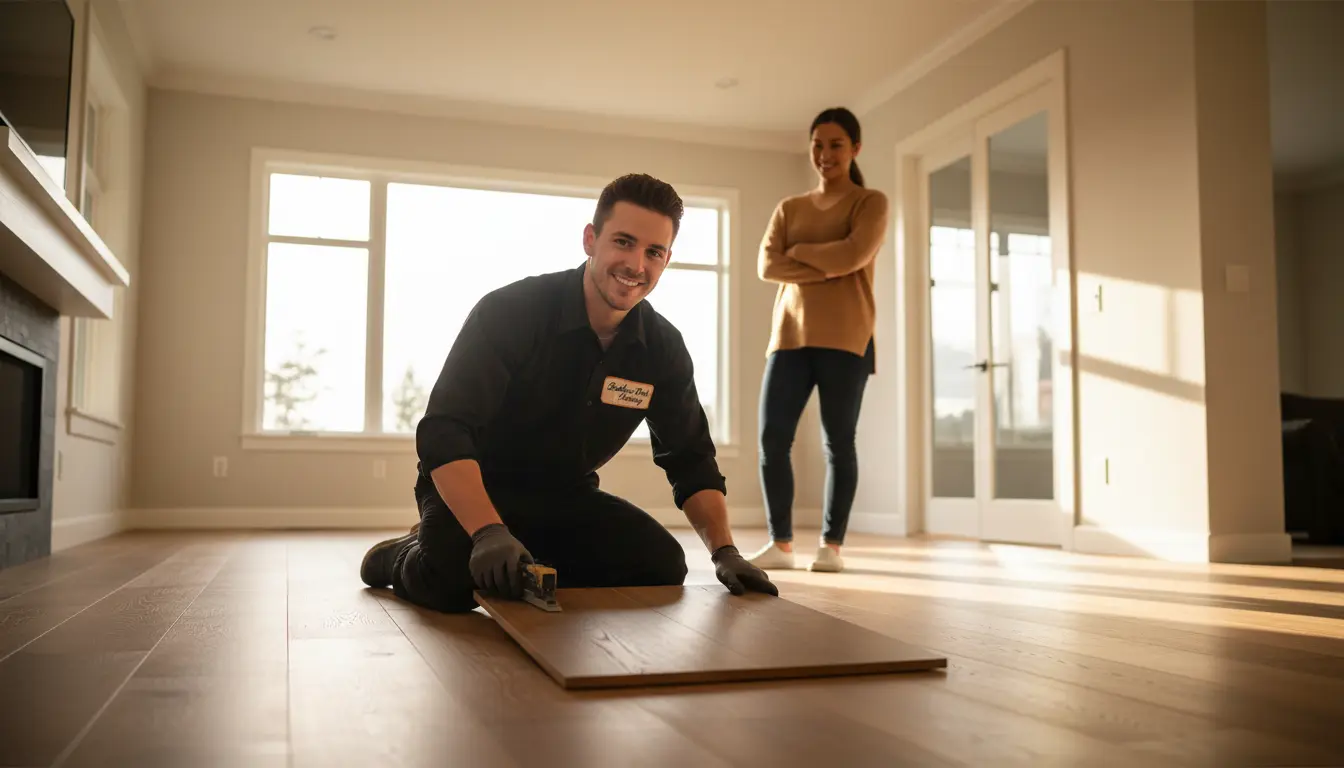
The definition of a successful flooring installation in Southern California hinges on understanding how the local climate affects different flooring types. This is distinct from the common misconception that flooring performance is solely determined by the material’s inherent qualities. In reality, the region’s unique combination of high temperatures, low humidity, and proximity to the ocean creates a distinct set of challenges that must be addressed through careful selection and installation of the flooring material. For instance, the dry climate in Southern California can cause wood floors to shrink and expand, leading to gaps and cracks if not properly acclimated.
In Southern California, particularly in cities like Los Angeles and San Diego, the climate can have a significant impact on the longevity and performance of flooring. The hot and dry summers can cause certain flooring materials to fade, crack, or become brittle, while the mild and wet winters can lead to warping, buckling, or water damage. As a Certified Senior Flooring Specialist, it is essential to consider these factors when selecting and installing flooring to ensure that it can withstand the local climate conditions. This is where professional flooring selection and precision installation come into play, as they are critical for maintaining the structural integrity and indoor health of a property.
We understand the importance of choosing the right flooring material for the local climate. Our team of experts has years of experience in installing and maintaining various types of flooring, from hardwood and tile to luxury vinyl and carpet. We take pride in our work and ensure that every installation meets the highest standards of quality and durability. Whether you are a homeowner or a business owner, we can help you find the perfect flooring solution that meets your needs and budget.
Technical Process
The professional flooring workflow involves a series of steps that are designed to ensure a successful installation. The first step is to assess the site conditions, including the subfloor, to determine the best course of action. This may involve checking the moisture levels, evaluating the substrate deflection, and identifying any potential issues that could affect the installation. Next, the subfloor must be prepared to receive the new flooring material, which may involve cleaning, leveling, and applying a moisture barrier.
Once the subfloor is ready, the flooring material can be installed. This may involve acclimating the material to the local climate conditions, applying adhesive or underlayment systems, and using specialized tools such as digital moisture meters and laser levels. The final step is to finish and seal the flooring, which may involve applying a wear layer, installing baseboards, and inspecting the flooring for any defects or imperfections. Throughout the process, our team of experts uses the latest technology and techniques to ensure that the installation meets the highest standards of quality and durability.
For example, when installing hardwood flooring in Southern California, it is essential to consider the equilibrium moisture content of the wood and the subfloor. This requires using a digital moisture meter to measure the moisture levels and ensuring that the wood is acclimated to the local climate conditions. Additionally, the use of a moisture barrier and a suitable underlayment system can help to prevent water damage and ensure a successful installation.
Data Comparison Table
When it comes to choosing the right flooring material, there are many factors to consider. The following table compares the features and benefits of solid hardwood and engineered wood flooring:
| Feature/Metric | Solid Hardwood | Engineered Wood |
|---|---|---|
| Dimensional Stability | High | Medium |
| Moisture Resistance | Low | Medium |
| Life Cycle Value | High | Medium |
Expert Insights
As a Certified Senior Flooring Specialist, I have seen many common mistakes that homeowners make when it comes to flooring selection and installation. One of the most critical mistakes is skipping the mandatory acclimation phase, which can lead to warping, buckling, or gaps in the flooring. Another mistake is ignoring subfloor leveling, which can cause the flooring to become uneven or unstable. Finally, using incorrect cleaning agents can damage the flooring material or the finish, leading to premature wear and tear.
To avoid these mistakes, it is essential to work with a professional flooring specialist who has the knowledge and experience to ensure a successful installation. At [Insert City], our team of experts can provide you with personalized advice and guidance on choosing the right flooring material and installation method for your specific needs and budget. We also offer a range of services, including Hardwood Refinishing and Luxury Vinyl Plank Installation, to help you maintain and repair your flooring over time.
Pricing
The cost of flooring installation can vary widely depending on the type of material, the size of the area, and the complexity of the installation. Here are some realistic pricing structures to consider:
- Materials: $3 to $15 per square foot
- Installation: $2 to $10 per square foot
- Labor minimums: $500 to $2,000
Factors that influence the cost of flooring installation include demolition of existing bonded surfaces, subfloor remediation, and complex layout patterns. Additionally, the use of specialized tools and equipment, such as digital moisture meters and laser levels, can add to the overall cost of the installation.
Safety and Standards
At [Insert City], we take safety and standards very seriously. We are certified by the National Wood Flooring Association and the Tile Council of North America, and we adhere to all relevant safety protocols and regulations. We also use sustainable, FloorScore-certified materials whenever possible, to minimize our impact on the environment and ensure a healthy indoor air quality.
For example, when installing flooring in homes with pets or children, it is essential to consider the potential risks of silica dust or VOC emissions. We take steps to minimize these risks by using dust-containment systems and low-VOC adhesives and finishes. We also recommend regular maintenance and cleaning to prevent the buildup of dirt and debris, which can exacerbate respiratory problems or allergies.
FAQ Section
What is the best type of flooring for a high-traffic commercial space?
The best type of flooring for a high-traffic commercial space depends on several factors, including the type of business, the amount of foot traffic, and the desired level of durability and maintenance. Generally, hardwood or tile flooring is a good choice for high-traffic areas, as they are durable and easy to clean. However, it is essential to consider the specific needs of your business and consult with a professional flooring specialist to determine the best flooring solution.
How often should I clean and maintain my flooring?
The frequency of cleaning and maintenance depends on the type of flooring and the amount of foot traffic. Generally, it is recommended to sweep or vacuum the flooring daily, and mop or clean the flooring weekly. Additionally, it is essential to address any spills or stains immediately to prevent damage to the flooring material or finish.
Can I install flooring myself, or do I need to hire a professional?
While it is possible to install flooring yourself, it is generally recommended to hire a professional flooring specialist. Flooring installation requires specialized knowledge and skills, and a professional can ensure that the installation is done correctly and safely. Additionally, a professional can provide you with personalized advice and guidance on choosing the right flooring material and installation method for your specific needs and budget.
What is the difference between solid hardwood and engineered wood flooring?
Solid hardwood flooring is made from a single piece of wood, while engineered wood flooring is made from multiple layers of wood. Engineered wood flooring is generally less expensive than solid hardwood flooring, but it can be more prone to moisture damage. Solid hardwood flooring, on the other hand, is more durable and can be refinished multiple times, but it can be more expensive and prone to shrinkage and expansion.
Professional Flooring in Southern California
In conclusion, choosing the right flooring material and installation method is critical for maintaining the structural integrity and indoor health of a property in Southern California. At [Insert City], our team of experts can provide you with personalized advice and guidance on selecting the right flooring material and installation method for your specific needs and budget. We also offer a range of services, including Custom Tile Design and Moisture Barrier Application, to help you maintain and repair your flooring over time. Contact us today to learn more about our services and to schedule a consultation with one of our expert flooring specialists.