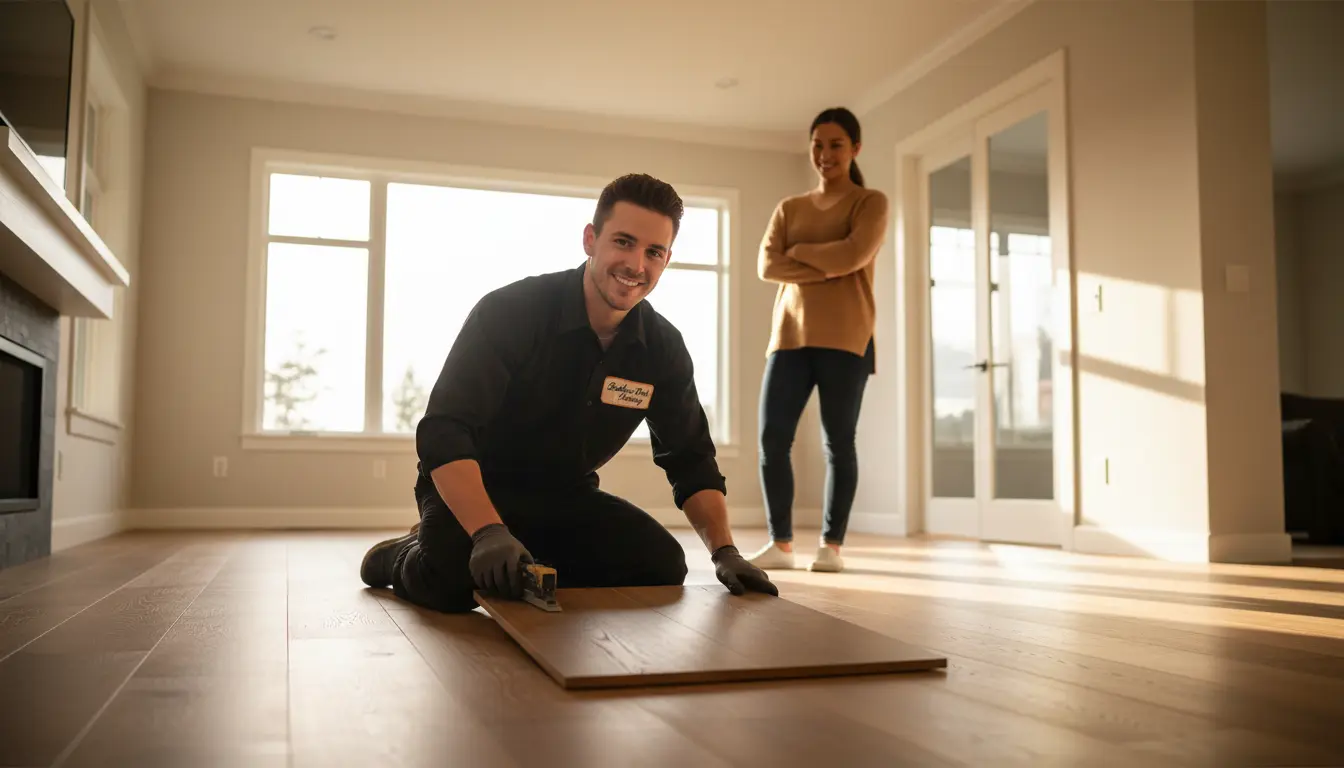
A staggering 75% of homeowners in San Diego, California, underestimate the time it takes to install new flooring, according to a 2026 survey by the National Wood Flooring Association. This statistic highlights the importance of understanding the flooring installation process and its timeline. In San Diego, where the climate can be particularly harsh on flooring due to high humidity and intense sunlight, choosing the right flooring and ensuring it is installed correctly is crucial for both the aesthetic appeal and the longevity of the floor. As a premier surface specialist in the area, we at emphasize the need for professional flooring selection and precision installation to maintain property value and indoor health.
The process of flooring installation is multifaceted, involving a thorough assessment of site conditions, subfloor preparation, material acclimation, precision installation, and final finishing or sealing. Each step requires careful consideration of local variables, such as the common use of concrete slabs in San Diego, which can have high moisture levels affecting the choice of adhesive or underlayment systems. Moreover, the region’s prevalence of allergens like pollen and dust mites necessitates the selection of flooring materials that are not only durable but also easy to clean and resistant to moisture.
Given the complexity and the variety of flooring options available, from hardwood and engineered wood to luxury vinyl plank and custom tile designs, it’s essential to work with a professional who understands the unique challenges and opportunities presented by San Diego’s climate and geography. At, our team is dedicated to providing high-quality flooring solutions that are tailored to the specific needs of each client, whether it’s for a residential or commercial property.
Technical Process
The technical process of flooring installation begins with a site conditions assessment, where our team evaluates the subfloor for any signs of damage, unevenness, or moisture issues. This step is critical because it determines the type of underlayment and adhesive required for a successful installation. For instance, in areas with high moisture, such as bathrooms or kitchens, we might recommend a moisture-resistant underlayment to prevent water damage and ensure the flooring material’s longevity.
Following the assessment, the subfloor is prepared, which may involve repairing any cracks, leveling the surface, and applying a suitable underlayment. This preparation is key to preventing issues like buckling or peaking of the flooring material. Our team uses advanced tools, including digital moisture meters to measure the moisture levels in the subfloor, and laser levels to ensure the surface is perfectly even. These tools, combined with our expertise, guarantee a solid foundation for the new flooring.
Material acclimation is another critical step, especially for hardwood flooring, which needs to adjust to the humidity and temperature conditions of the installation site to prevent shrinkage or expansion issues post-installation. This process can take several days to a week, depending on the material and the environmental conditions. Once the materials are acclimated, our team proceeds with the precision installation, using techniques and tools appropriate for the chosen flooring material, such as pneumatic floor nailers for hardwood or specialized adhesives for luxury vinyl plank.
Data Comparison
When deciding on the type of flooring, homeowners often weigh the benefits and drawbacks of different materials. For example, solid hardwood and engineered wood are two popular options, each with its own set of advantages and considerations.
| Feature/Metric | Solid Hardwood | Engineered Wood |
|---|---|---|
| Dimensional Stability | More prone to shrinkage and expansion | Less prone to shrinkage and expansion |
| Moisture Resistance | Less resistant to moisture | More resistant to moisture |
| Life Cycle Value | Can be refinished multiple times | Can be refinished, but limited times |
Expert Insights
As professionals in the flooring industry, we often see homeowners making critical mistakes that can lead to premature wear, damage, or even safety hazards. One common mistake is skipping the mandatory acclimation phase for hardwood flooring, which can lead to significant issues with the floor’s performance and appearance over time. Another critical error is ignoring subfloor leveling, which can result in an uneven floor that is not only aesthetically displeasing but also unsafe.
For high-traffic commercial spaces, selecting the correct wear layer for the flooring material is essential. A wear layer that is too thin may not provide adequate protection against heavy foot traffic, leading to rapid degradation of the flooring material. On the other hand, a wear layer that is too thick may not be necessary for lower traffic areas, potentially increasing the cost without adding proportional value.
Managing expansion gaps is another area where professional expertise can make a significant difference. For large-format layouts, ensuring that there is sufficient expansion space around the perimeter of the room can prevent buckling or peaking of the flooring material due to thermal expansion. This detail, often overlooked by DIY installers, is crucial for the long-term integrity and appearance of the floor.
Pricing
The cost of flooring installation can vary widely, depending on several factors including the type of flooring material, the size of the area to be covered, the condition of the subfloor, and the complexity of the layout. Here are some key factors to consider:
- Materials cost per square foot, which can range from a few dollars for basic options like laminate to tens of dollars for high-end materials like exotic hardwoods or custom tile designs.
- Installation cost per square foot, which reflects the labor involved in preparing the subfloor, installing the flooring, and applying the finish. This can vary significantly depending on the complexity of the job and the qualifications of the installer.
- Labor minimums for specialized repair work, such as repairing damaged subfloors or removing old adhesive, which can add to the overall cost of the project.
Safety & Standards
Safety and adherence to industry standards are paramount in flooring installation. At, we are certified by the National Wood Flooring Association (NWFA) and adhere to the guidelines set by the Tile Council of North America (TCNA) for tile installations. We also prioritize the use of sustainable, FloorScore-certified materials that meet stringent standards for indoor air quality and environmental sustainability.
Our commitment to safety extends to our practices on the job site, where we follow strict protocols for handling materials, operating power tools, and managing waste. This includes safety measures to minimize exposure to silica dust and VOC emissions, ensuring a safe working environment for our team and a healthy living space for our clients.
FAQ Section
What is the typical timeline for a flooring installation project?
The timeline for a flooring installation project can vary significantly depending on the size of the area, the type of flooring material, and the condition of the subfloor. On average, a small to medium-sized residential project might take a few days to a week to complete, while larger commercial projects could take several weeks. It’s essential to work with a professional who can provide a detailed timeline based on the specific requirements of your project.
How do I choose the right flooring material for my home or business?
Choosing the right flooring material involves considering several factors, including the intended use of the space, the amount of foot traffic it will receive, the presence of moisture, and your personal preferences regarding appearance and maintenance. For example, high-traffic areas might require more durable materials like hardwood or tile, while areas prone to moisture might benefit from materials with high moisture resistance like luxury vinyl plank. Consulting with a professional can help you navigate these considerations and select the best material for your needs.
What is the importance of subfloor preparation in flooring installation?
Subfloor preparation is critical for the success of a flooring installation project. A well-prepared subfloor ensures that the flooring material lies flat and even, preventing issues like buckling, peaking, or uneven wear. It also provides a solid foundation for the adhesive or fastening system used to secure the flooring, which is essential for the long-term integrity of the floor. Neglecting subfloor preparation can lead to significant problems down the line, including the need for costly repairs or even the replacement of the flooring material.
Can I install flooring myself, or do I need to hire a professional?
While it’s possible to install flooring yourself, hiring a professional is often the best choice, especially for complex projects or when working with certain types of flooring materials. Professionals have the training, experience, and specialized tools needed to ensure a high-quality installation that meets industry standards. They can also help you avoid common mistakes that can lead to premature wear, damage, or safety hazards. Moreover, many flooring manufacturers require professional installation to honor their warranties, making it a worthwhile investment for the longevity and performance of your floor.
Conclusion
In conclusion, the process of flooring installation is complex and multifaceted, requiring careful consideration of local conditions, material selection, and professional expertise. At, we are committed to providing our clients in San Diego with the highest quality flooring solutions, tailored to their specific needs and designed to enhance the beauty, functionality, and value of their properties. Whether you’re looking to install new flooring in a residential or commercial setting, our team of experts is here to guide you through every step of the process, from initial consultation to final installation and beyond. For more information on our flooring services, including Hardwood Refinishing, Luxury Vinyl Plank Installation, and Custom Tile Design, please don’t hesitate to contact us. We also offer Moisture Barrier Application services to ensure your floor is protected against moisture damage. Let us help you find the perfect floor for your space and ensure it is installed to last, providing you with years of beauty, comfort, and satisfaction.