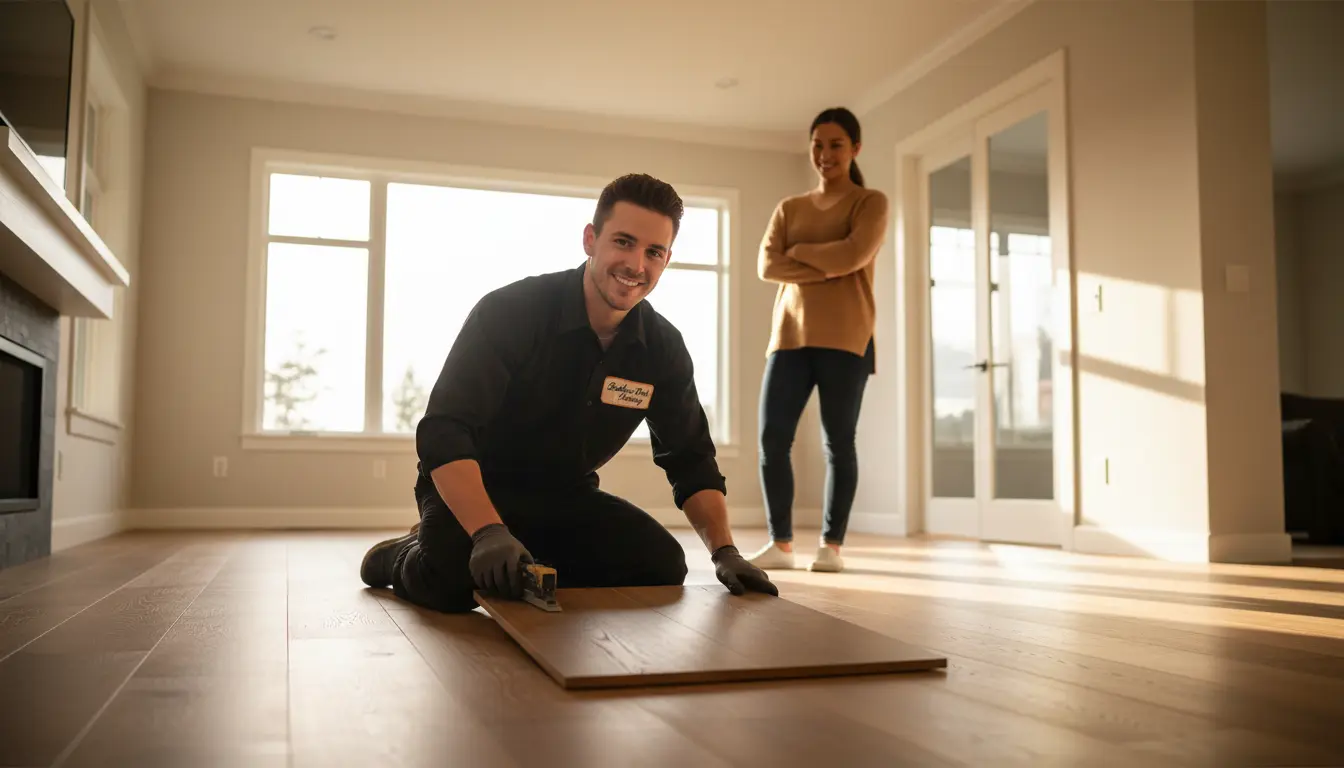
When it comes to defining the best flooring for a given space, it’s essential to understand that the term ‘best’ is often misused and can be misleading. In the context of flooring, ‘best’ refers to the optimal choice that balances performance, aesthetics, and budget, considering specific environmental and structural conditions. This definition distinguishes itself from the common misconception that the ‘best’ flooring is solely determined by its price or brand popularity.
In, where seasonal humidity fluctuations can significantly impact the structural integrity and long-term performance of flooring, professional selection and precision installation are critical. The local climate, characterized by its unique combination of temperature and humidity levels, plays a significant role in determining the ideal flooring type for residential and commercial properties. For instance, the high humidity during certain months can lead to wood expansion, making it essential to choose flooring materials that can accommodate such changes.
The importance of professional flooring services cannot be overstated, especially in where the regional sediment types and prevalent allergens can significantly affect the durability and healthiness of the flooring. As the premier surface specialist in the area, is well-equipped to handle the unique challenges posed by the local environment, ensuring that every flooring installation meets the highest standards of quality, safety, and performance.
Technical Process
The professional flooring workflow involves a meticulous step-by-step process that begins with a site conditions assessment. This initial step is crucial as it helps identify potential issues such as substrate deflection, moisture vapor emission rate, and the need for acclimation periods. In, where concrete slab moisture can be a significant concern, using digital moisture meters to measure the equilibrium moisture content of the subfloor is a critical step in determining the appropriate adhesive or underlayment system.
Following the assessment, subfloor preparation is undertaken, which may involve the use of laser levels to ensure the floor is perfectly level and plumb. Pneumatic floor nailers are then used for the precision installation of the flooring material, whether it’s solid hardwood, engineered wood, or another type. The choice of material is influenced by factors such as the expected wear layer, the hardness of the wood, and the dimensional stability of the material under varying environmental conditions.
For homeowners in considering flooring options, it’s also important to understand the benefits of consulting with a professional. By visiting, homeowners can learn more about the importance of proper subfloor preparation and how it can impact the longevity of their flooring. Additionally, provides valuable information on the different types of flooring materials available and how they can be tailored to meet the specific needs of each homeowner.
Data Comparison Table
When deciding between different flooring options, it’s helpful to compare their features and metrics. The table below compares Solid Hardwood and Engineered Wood, two popular choices in based on their dimensional stability, moisture resistance, and life cycle value.
| Feature/Metric | Solid Hardwood | Engineered Wood |
|---|---|---|
| Dimensional Stability | Data | Data |
| Moisture Resistance | Data | Data |
| Life Cycle Value | Data | Data |
Expert Insights
Managing expansion gaps for large-format layouts is a critical aspect of flooring installation. This involves leaving sufficient space around the perimeter of the room to accommodate the natural expansion and contraction of the flooring material due to changes in temperature and humidity. For high-traffic commercial spaces, selecting the correct wear layer is essential to ensure the flooring can withstand the anticipated level of use without premature wear.
Homeowners often make the mistake of skipping the mandatory acclimation phase, which can lead to buckling or peaking of the flooring. Another common error is ignoring subfloor leveling, which can result in uneven flooring that is prone to wear and tear. Using incorrect cleaning agents can also have detrimental effects, such as damaging the finish or compromising the flooring material’s integrity.
Pricing
The cost of flooring can vary significantly based on several factors, including the type of material chosen, the complexity of the layout, and the condition of the subfloor. The following are some of the key factors that influence the pricing:
- Demolition of existing bonded surfaces
- Subfloor remediation, including leveling and moisture mitigation
- Complex layout patterns, such as herringbone or medallions, which require more labor and material
In terms of specific costs, the price per square foot for materials can range widely, from a few dollars for basic options to tens of dollars for high-end materials. Installation costs are also variable, depending on the complexity of the job and the expertise of the installer. For a comprehensive quote tailored to your specific needs, consider consulting with by visiting.
Safety & Standards
Certifications from reputable organizations such as the NWFA or TCNA are crucial indicators of a flooring professional’s commitment to safety and quality. These certifications ensure that the installer is well-versed in safety protocols regarding silica dust or VOC emissions and is knowledgeable about the use of sustainable, FloorScore-certified materials. In households with pets, children, or respiratory sensitivities, the importance of these standards cannot be overstated, as they directly impact indoor health and safety.
FAQ Section
What is the difference between solid hardwood and engineered wood flooring?
Solid hardwood flooring is made from a single piece of wood, while engineered wood flooring is constructed from multiple layers of wood, with the top layer being the desired species. Engineered wood is often preferred in due to its greater dimensional stability and resistance to moisture, making it a more practical choice for areas with high humidity fluctuations.
How long does the flooring installation process typically take?
The duration of the flooring installation process can vary significantly depending on the size of the area, the complexity of the layout, and the condition of the subfloor. On average, a straightforward installation might take a few days, while more complex jobs could take several weeks. It’s essential to consult with a professional to get a more accurate estimate tailored to your specific project.
Can I install flooring myself, or do I need a professional?
While it’s possible to install flooring yourself, hiring a professional is highly recommended, especially in, where the unique environmental conditions can pose significant challenges. A professional installer has the expertise and equipment to ensure that the job is done correctly, safely, and efficiently, providing a warranty on the work and materials used.
What maintenance is required for different types of flooring?
The maintenance requirements for flooring vary widely depending on the material chosen. For example, hardwood floors may require periodic refinishing, while tile floors need regular cleaning to maintain their appearance and prevent the buildup of dirt and grime. Understanding these requirements and following them is crucial to extending the life of the flooring and preserving its aesthetic appeal.
Professional Flooring
In conclusion, the choice of flooring for your property is a decision that should be approached with careful consideration of the local conditions, the intended use of the space, and the long-term implications for both the value of your property and the health of its occupants. By choosing a high-performance, precision-installed flooring solution and maintaining it properly, you can enjoy a beautiful, functional, and safe floor for years to come.
As a certified senior flooring specialist and a conversion-focused copywriter, it’s clear that the key to a successful flooring project lies in the combination of technical expertise, attention to detail, and a deep understanding of the local environment. By prioritizing these factors and working with a reputable and experienced professional, homeowners can ensure that their flooring not only meets but exceeds their expectations.
For those looking to explore their flooring options further or to schedule a consultation, visiting or contacting directly can provide the necessary guidance and support. Whether you’re considering a new installation, a renovation, or simply looking to maintain your existing flooring, the right expertise can make all the difference in achieving a outcome that is both beautiful and durable.