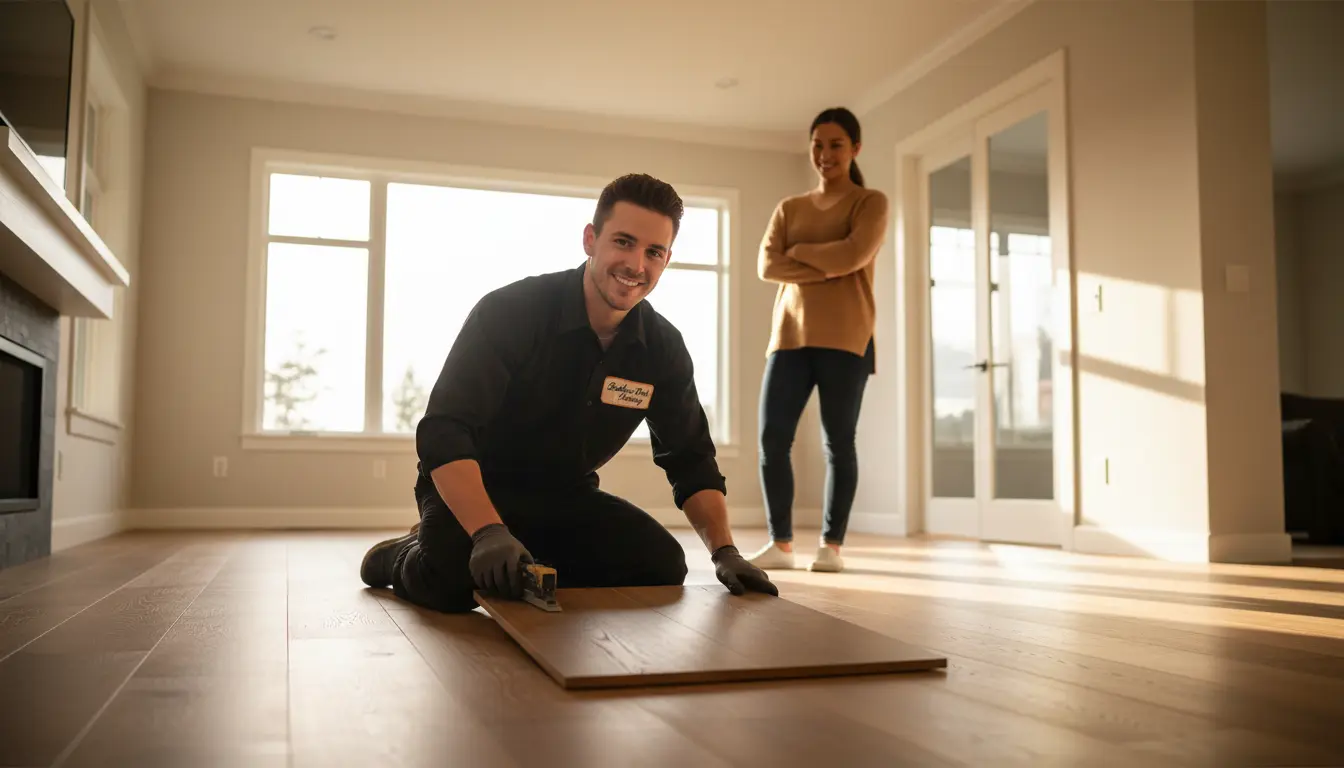
As I stood in the midst of a newly renovated home in West Covina, I couldn’t help but notice the transformative power of well-chosen flooring. The homeowner, a young professional, had opted for a stunning hardwood installation that not only elevated the aesthetic of the space but also significantly increased its value. However, achieving such a successful outcome requires more than just a keen eye for design; it demands a deep understanding of the technical aspects of flooring selection and installation, particularly in a region like West Covina, where the local climate and soil conditions can significantly impact the longevity and performance of the floor.
The importance of professional flooring selection and precision installation cannot be overstated, especially in areas like West Covina, where the dry climate can cause wood to shrink and the hot summers can lead to fading and discoloration of certain materials. A poorly installed floor can lead to a multitude of issues, from structural integrity problems to indoor health concerns due to the growth of mold and mildew in damp environments. This is why homeowners in West Covina and surrounding areas should seek the expertise of a reputable and knowledgeable flooring specialist who understands the unique challenges and opportunities presented by the local environment.
We pride ourselves on being the premier authority on flooring in the West Covina area. With years of experience and a commitment to staying at the forefront of the latest techniques and technologies, we are dedicated to providing our clients with the highest quality surfaces that not only meet but exceed their expectations. Whether you’re looking to install new flooring, refinish an existing one, or simply need advice on how to maintain your current floors, our team of experts is here to guide you through every step of the process, ensuring that your flooring project is completed to the highest standards and with the utmost care for your property and well-being.
Technical Process: The Key to Successful Flooring Installation
The process of installing flooring is complex and multifaceted, requiring a thorough understanding of the technical aspects involved. It begins with a site conditions assessment, where our team evaluates the subfloor for any imperfections, moisture issues, or other factors that could impact the installation. This is followed by subfloor preparation, which may include leveling, cleaning, and applying the appropriate underlayment to ensure a stable and even surface for the flooring material.
Next, we proceed with the material acclimation phase, a critical step often overlooked by less experienced installers. Acclimation involves allowing the flooring material to adjust to the temperature and humidity conditions of the installation site, preventing future issues such as buckling or gapping. The actual installation then takes place, using precision tools and techniques tailored to the specific type of flooring being installed. For hardwood flooring, this might involve the use of pneumatic floor nailers, while for tile, it could mean applying thinset mortar and using laser levels to ensure perfectly straight lines.
Finally, the process concludes with the finishing and sealing of the floor, where applicable. This step not only enhances the appearance of the flooring but also provides a protective barrier against wear and tear, spills, and other forms of damage. Throughout the entire process, our team adheres to the highest standards of quality and safety, ensuring that every detail is meticulously attended to and that the final result exceeds our clients’ expectations.
Data Comparison: Solid Hardwood vs. Engineered Wood
When it comes to choosing the right type of flooring, one of the most common dilemmas homeowners in West Covina face is deciding between solid hardwood and engineered wood. Both options have their advantages and disadvantages, which are crucial to understand in order to make an informed decision. Below is a comparison of these two types of flooring, highlighting their dimensional stability, moisture resistance, and life cycle value.
| Feature/Metric | Solid Hardwood | Engineered Wood |
|---|---|---|
| Dimensional Stability | More prone to shrinking and expanding with humidity changes | Less prone to dimensional changes due to its layered construction |
| Moisture Resistance | Less resistant to moisture, can be damaged by excessive humidity or water | More resistant to moisture due to its construction, though not immune to water damage |
| Life Cycle Value | Can last for decades with proper maintenance, can be refinished multiple times | Also durable, but the number of times it can be refinished is limited compared to solid hardwood |
Expert Insights for a Successful Flooring Project
As experienced flooring specialists, we’ve compiled a list of expert tips and common mistakes to avoid, ensuring that your flooring project turns out exactly as you envision. Firstly, managing expansion gaps is crucial, especially for large-format layouts, as it allows for the natural movement of the flooring material without causing buckling or peaking. Secondly, selecting the correct wear layer for high-traffic commercial spaces can significantly extend the lifespan of the floor, reducing the need for premature replacement or costly repairs.
One of the most significant mistakes homeowners make is skipping the mandatory acclimation phase, which can lead to serious issues down the line, including gapping and buckling. Another critical error is ignoring subfloor leveling, which can result in an uneven floor that is prone to wear and tear. Lastly, using incorrect cleaning agents can damage the finish of the floor, leading to a dull appearance and potentially harming the material itself.
Pricing Structures for Flooring Installation
The cost of flooring installation can vary widely, depending on several factors including the type of material chosen, the complexity of the layout, and the condition of the subfloor. Here are some key points to consider when budgeting for your flooring project:
- Material costs per square foot, which can range from relatively inexpensive options like laminate or vinyl to more premium choices such as solid hardwood or natural stone.
- Installation costs per square foot, which take into account the labor involved in preparing the subfloor, laying the flooring, and applying the finish.
- Additional costs for demolition of existing flooring, subfloor remediation, and complex layout patterns, which can add to the overall expense of the project.
Safety and Standards in Flooring Installation
Safety and adherence to industry standards are paramount in flooring installation, not just for the longevity and performance of the floor but also for the health and well-being of the occupants. At [Insert Company Name], we are committed to using sustainable, FloorScore-certified materials that meet the highest standards for indoor air quality and environmental sustainability. Our team is also trained in the latest safety protocols, including those related to silica dust and VOC emissions, ensuring a safe working environment for our crew and minimizing the risk of exposure for our clients.
Frequently Asked Questions
What is the difference between hardwood and engineered wood flooring?
Hardwood flooring is made from solid pieces of wood, while engineered wood flooring is made from layers of wood, with the top layer being the desired species. Engineered wood is less prone to shrinking and expanding with humidity changes and can be installed in areas where solid hardwood is not recommended, such as over concrete slabs or in areas with high moisture levels.
How do I maintain my new flooring to ensure it lasts?
Maintenance varies depending on the type of flooring, but generally, it involves regular cleaning with the appropriate cleaning products, avoiding excessive water or moisture, and using felt pads on the legs of furniture to prevent scratching. For hardwood floors, it’s also important to maintain a stable humidity level in the home and to refinish the floor as needed to protect the wood and maintain its appearance.
Can I install flooring myself, or do I need a professional?
While it’s possible to install flooring yourself, it’s generally recommended to hire a professional, especially for complex installations or if you’re unsure about any aspect of the process. A professional installer will have the necessary experience, tools, and knowledge to ensure that the flooring is installed correctly, which can save you time, money, and potential headaches down the line.
What factors affect the cost of flooring installation?
The cost of flooring installation can be affected by several factors, including the type and quality of the flooring material, the size of the area to be covered, the condition of the subfloor, the complexity of the installation, and the location. Additionally, costs for demolition, subfloor preparation, and the application of underlayment or moisture barriers can also impact the final price.
Professional Flooring Services in West Covina
In conclusion, selecting and installing the right flooring for your home or business in West Covina requires careful consideration of several factors, from the type of material and its durability to the installation process and maintenance needs. We are dedicated to providing top-quality flooring services, from initial consultation to final installation, ensuring that our clients receive the best possible outcome for their investment. Whether you’re looking for the timeless elegance of hardwood, the versatility of engineered wood, or the practicality of luxury vinyl plank, our team of experts is here to guide you every step of the way, helping you to achieve the perfect floor for your unique needs and preferences.