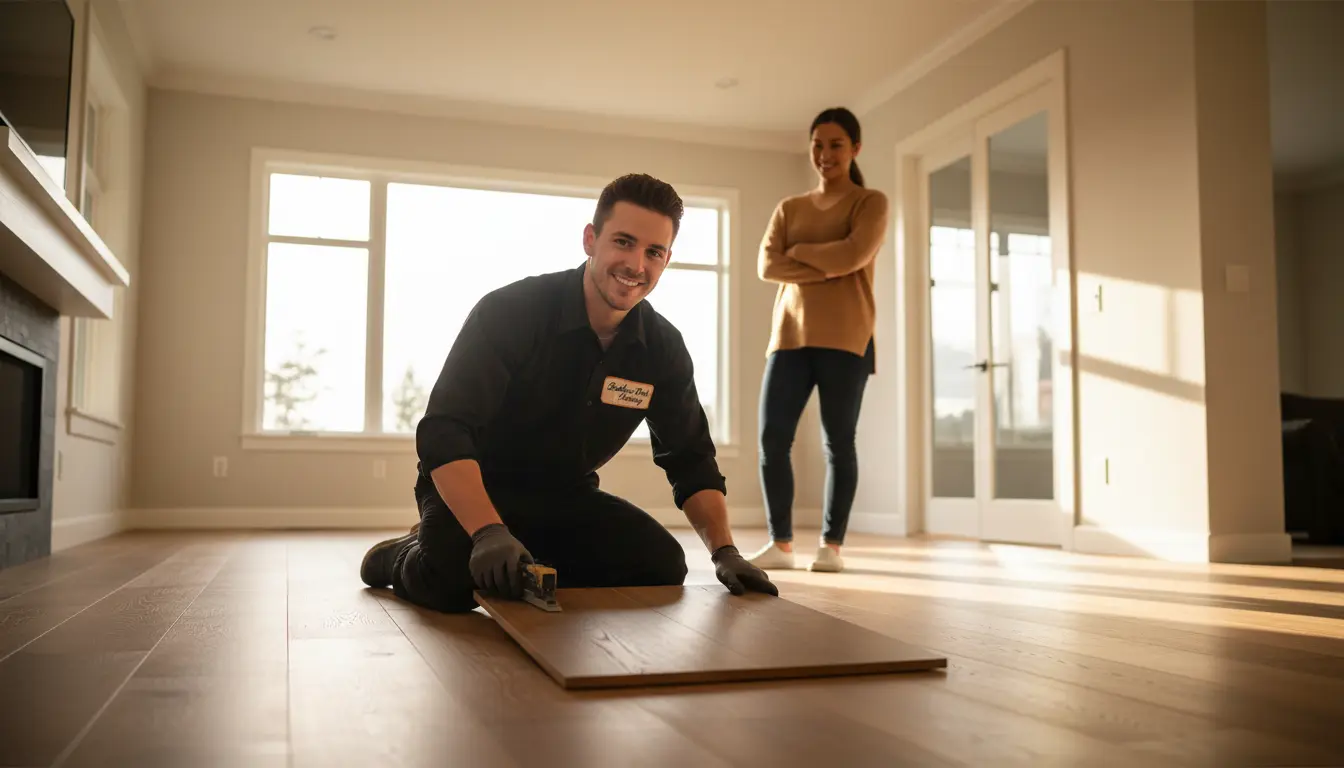
Floors in Chicago are not immune to the effects of time and environmental factors, which can lead to fading or discoloration. In fact, the city’s seasonal humidity fluctuations can cause wood expansion, while common local sediment types can impact abrasive wear on finishes. As a Certified Senior Flooring Specialist, I’ve seen firsthand how professional flooring selection and precision installation can make all the difference in maintaining property value and indoor health.
The importance of proper flooring installation cannot be overstated, especially in a city like Chicago where the climate can be quite harsh. That’s why it’s essential to work with a reputable and experienced flooring specialist who can guide you through the process and ensure that your floors are installed to last. At, we pride ourselves on being the premier authority on surface specialist services in the Chicago area.
Our team of experts understands the unique challenges that come with installing and maintaining floors in Chicago, from the frozen winters to the hot and humid summers. We take into account the specific needs of each client, whether it’s a residential or commercial property, and provide personalized solutions to ensure that their floors remain beautiful and functional for years to come. For instance, we recommend Hardwood Refinishing for homes with existing wood floors, while Luxury Vinyl Plank Installation is a popular choice for commercial spaces.
Technical Process
The professional flooring workflow involves several critical steps, including site conditions assessment, subfloor preparation, material acclimation, precision installation, and final finishing/sealing. Our team uses specialized tools such as digital moisture meters, laser levels, and pneumatic floor nailers to ensure that every aspect of the installation is done to perfection. We also consider local variables such as concrete slab moisture and regional environmental factors when choosing the right adhesive or underlayment systems.
For example, when working with wood flooring, we must take into account the equilibrium moisture content and structural load distribution to prevent issues like buckling or peaking. By understanding the intricacies of flooring installation, we can provide our clients with tailored solutions that meet their specific needs and budget. Additionally, our expertise in Custom Tile Design and Moisture Barrier Application can help prevent common problems like water damage and mold growth.
Data Comparison Table
The following table compares the features and benefits of Solid Hardwood versus Engineered Wood flooring:
| Feature/Metric | Solid Hardwood | Engineered Wood |
|---|---|---|
| Dimensional Stability | High | Medium |
| Moisture Resistance | Low | High |
| Life Cycle Value | High | Medium |
Expert Insights
As a seasoned flooring specialist, I’ve learned that managing expansion gaps is crucial for large-format layouts, while selecting the correct wear layer is essential for high-traffic commercial spaces. Additionally, it’s vital to avoid common mistakes like skipping the mandatory acclimation phase or ignoring subfloor leveling, as these can lead to premature finish failure or other issues.
Some advanced professional tips include using the right cleaning agents to maintain the finish and prevent damage, as well as conducting regular inspections to catch any potential problems early on. By following these tips and working with a reputable flooring specialist, homeowners and businesses can enjoy beautiful, long-lasting floors that enhance their property’s value and aesthetic appeal.
Pricing
The cost of flooring installation can vary widely depending on several factors, including the type and quality of materials, the complexity of the layout, and the need for subfloor remediation or other specialized services. Here are some realistic pricing structures to consider:
- Materials: $3 to $15 per square foot
- Installation: $2 to $10 per square foot
- Labor minimums: $500 to $2,000
It’s essential to work with a flooring specialist who can provide a detailed estimate and explain the factors that influence the cost, such as demolition of existing bonded surfaces or complex layout patterns like herringbone or medallions.
Safety and Standards
At, we prioritize safety and adhere to rigorous standards, including those set by the NWFA and TCNA. We use sustainable, FloorScore-certified materials and follow safety protocols regarding silica dust or VOC emissions to ensure a healthy and safe environment for our clients.
Our team is certified in the latest flooring installation techniques and stays up-to-date on industry developments to provide the best possible service. By choosing, homeowners and businesses can trust that their flooring needs are in good hands, and that their property will be enhanced with beautiful, long-lasting floors that meet the highest standards of quality and safety.
FAQ Section
What is the best type of flooring for a high-traffic commercial space?
The best type of flooring for a high-traffic commercial space depends on several factors, including the specific needs and preferences of the business, as well as the layout and design of the space. However, some popular options include luxury vinyl plank, porcelain tile, and commercial-grade carpet. It’s essential to work with a flooring specialist who can assess the space and provide a personalized recommendation.
How do I maintain my hardwood floors to prevent damage and extend their lifespan?
To maintain your hardwood floors, it’s crucial to use the right cleaning agents and avoid excessive water or moisture. Regular inspections can also help catch potential problems early on. Additionally, consider applying a maintenance coat to the finish every 2 to 3 years to keep the floors looking their best.
Can I install flooring myself, or do I need to hire a professional?
While it’s possible to install flooring yourself, it’s generally recommended to hire a professional, especially for complex or large-scale projects. A flooring specialist has the training, experience, and equipment to ensure a precise and long-lasting installation, and can also provide valuable guidance on material selection and layout design.
What is the difference between solid hardwood and engineered wood flooring?
Solid hardwood flooring is made from a single piece of wood, while engineered wood flooring is constructed from multiple layers of wood. Engineered wood is often more stable and resistant to moisture, but solid hardwood can be refinished multiple times and has a more traditional look and feel.
Professional Flooring in Chicago
In conclusion, the right flooring can make all the difference in enhancing the beauty, value, and functionality of a property. At we’re committed to providing the highest level of expertise, quality, and customer service to our clients in Chicago. Whether you’re looking for hardwood refinishing, luxury vinyl plank installation, or custom tile design, we’re the premier authority on surface specialist services in the area.
By choosing, you can trust that your flooring needs are in good hands, and that your property will be enhanced with beautiful, long-lasting floors that meet the highest standards of quality and safety. Contact us today to schedule a consultation and take the first step towards enjoying the floors of your dreams.