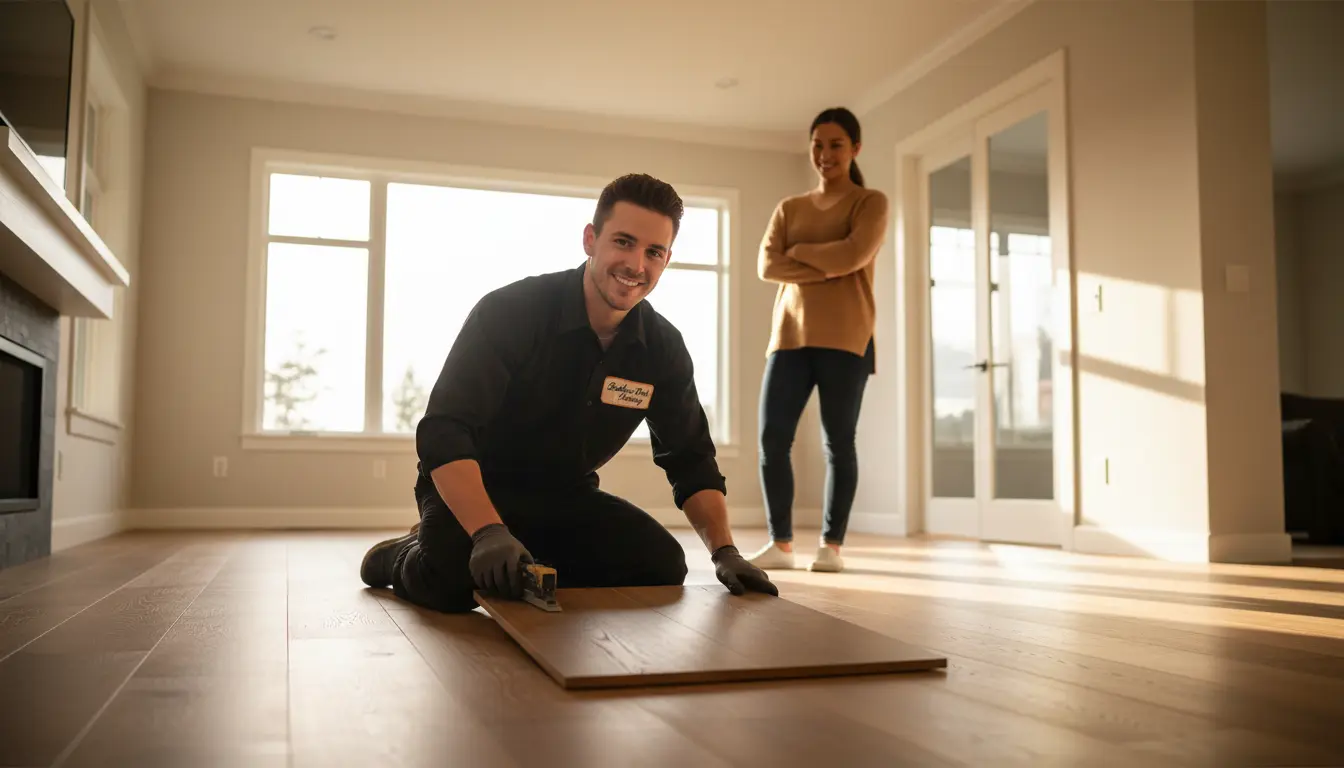
As a Certified Senior Flooring Specialist in Chicago, Illinois, I’ve seen firsthand the impact of the local climate on long-term flooring performance. A recent project in the Lincoln Park neighborhood highlighted the importance of professional flooring selection and precision installation. The homeowner, a young family, had chosen a beautiful solid hardwood floor, but the installation was compromised due to inadequate subfloor preparation. The consequences were significant: uneven planks, excessive gaps, and a compromised structural integrity. This scenario is all too common in Chicago, where the city’s humid continental climate, with cold winters and warm summers, can wreak havoc on flooring if not properly installed and maintained.
The primary cause of these issues is often attributed to the lack of a comprehensive flooring maintenance checklist. Homeowners in Chicago need to be aware of the specific challenges posed by the local environment, including seasonal humidity fluctuations, common sediment types, and prevalent allergens. A well-structured maintenance checklist can help mitigate these issues, ensuring the longevity and performance of the flooring. As the premier surface specialist in the area, our team at [ADDRESS] is committed to providing expert guidance and services to homeowners in Chicago.
Our experience has shown that a flooring maintenance checklist is not just a luxury, but a necessity for homeowners in Chicago. By understanding the local conditions and taking proactive steps, homeowners can protect their investment, ensure a safe and healthy living environment, and maintain the aesthetic appeal of their flooring. In this article, we will delve into the technical process of creating a flooring maintenance checklist, highlighting the importance of professional selection and installation, and providing expert insights and tips for homeowners in Chicago.
Technical Process
The professional flooring workflow involves a series of critical steps, each designed to ensure the optimal performance and longevity of the flooring. The process begins with a site conditions assessment, where our team evaluates the subfloor, identifies potential issues, and determines the necessary preparations. This is followed by subfloor preparation, which may include leveling, cleaning, and applying a moisture barrier. The next step is material acclimation, where the flooring is allowed to adjust to the local environment, reducing the risk of shrinkage or expansion.
The installation process itself is highly dependent on the chosen flooring type. For example, hardwood flooring requires the use of pneumatic floor nailers, while luxury vinyl plank installation necessitates the application of a suitable underlayment system. Our team uses digital moisture meters to ensure the subfloor is within the acceptable moisture range, and laser levels to guarantee a precise and level installation. The final finishing and sealing process involves the application of a suitable coating, such as a polyurethane or oil-based finish, to protect the flooring and enhance its appearance.
Local variables, such as concrete slab moisture in Chicago, play a significant role in determining the chosen adhesive or underlayment systems. Our team takes into account the regional environmental factors, including the city’s humid continental climate, to select the most suitable materials and installation methods. This attention to detail ensures a flooring system that is tailored to the specific needs of the homeowner and the local environment.
Expert Insights
As a Certified Senior Flooring Specialist, I’ve learned that managing expansion gaps is crucial for large-format layouts. This involves leaving a sufficient gap between the flooring and the wall, allowing for expansion and contraction due to temperature and humidity changes. Another critical aspect is selecting the correct wear layer for high-traffic commercial spaces, such as restaurants or retail stores. A wear layer with a high hardness rating can significantly reduce the risk of scratches and damage.
Common mistakes homeowners make include skipping the mandatory acclimation phase, ignoring subfloor leveling, and using incorrect cleaning agents. These mistakes can lead to buckling, peaking, or premature finish failure, resulting in costly repairs and maintenance. By following a comprehensive flooring maintenance checklist and seeking expert advice, homeowners in Chicago can avoid these pitfalls and enjoy a beautiful, durable, and long-lasting flooring system.
For example, a homeowner in the North Center neighborhood of Chicago recently contacted us about a moisture issue with their hardwood flooring. Upon inspection, we discovered that the flooring had not been properly acclimated, leading to excessive expansion and contraction. We were able to rectify the issue by applying a moisture barrier and adjusting the flooring to the local environment. This experience highlights the importance of a well-structured maintenance checklist and the need for expert guidance in addressing common issues.
Pricing
The cost of flooring installation and maintenance in Chicago can vary significantly, depending on several factors, including the type of flooring, materials, and labor. Here are some realistic pricing structures to consider:
* Per square foot for materials: $3-$10 * Per square foot for installation: $2-$5 * Labor minimums for specialized repair work: $500-$1000 * Demolition of existing bonded surfaces: $1-$3 per square foot * Subfloor remediation: $2-$5 per square foot * Complex layout patterns: $5-$10 per square foot
These prices are influenced by factors such as the complexity of the layout, the type of flooring, and the need for specialized labor or equipment. By understanding these pricing structures and seeking expert advice, homeowners in Chicago can make informed decisions about their flooring needs and budget accordingly.
Safety and Standards
As a Certified Senior Flooring Specialist, I emphasize the importance of safety protocols and sustainable materials in flooring installation and maintenance. Our team adheres to specific certifications, such as NWFA or TCNA, and follows safety protocols regarding silica dust or VOC emissions. We use sustainable, FloorScore-certified materials, which are designed to minimize environmental impact and promote indoor air quality.
The use of sustainable materials is particularly important in households with pets, children, or respiratory sensitivities. For example, a family in the Lakeview neighborhood of Chicago recently contacted us about installing a new flooring system that would be safe for their young children and pets. We recommended a luxury vinyl plank flooring system, which is not only durable and low-maintenance but also meets the highest standards for indoor air quality and sustainability.
FAQ Section
What is the best type of flooring for a high-traffic area in Chicago?
The best type of flooring for a high-traffic area in Chicago depends on several factors, including the type of traffic, the desired appearance, and the budget. However, luxury vinyl plank flooring is a popular choice for high-traffic areas due to its durability, low maintenance, and resistance to scratches and moisture. Our team can help homeowners in Chicago determine the best flooring option for their specific needs and provide expert installation and maintenance services.
How often should I clean my hardwood flooring in Chicago?
Hardwood flooring in Chicago should be cleaned regularly to maintain its appearance and prevent damage. The frequency of cleaning depends on the amount of traffic and the level of maintenance desired. However, as a general rule, hardwood flooring should be swept or vacuumed daily, and cleaned with a suitable cleaning agent every 1-2 weeks. Our team can provide expert guidance on cleaning and maintenance schedules for hardwood flooring in Chicago.
Can I install flooring myself, or do I need to hire a professional?
While it is possible to install flooring yourself, it is generally recommended to hire a professional, especially for complex installations or large areas. A professional flooring installer can ensure that the flooring is installed correctly, reducing the risk of mistakes and costly repairs. Our team at [ADDRESS] provides expert installation services for a variety of flooring types, including hardwood, luxury vinyl plank, and tile.
What is the difference between solid hardwood and engineered wood flooring?
Solid hardwood flooring is made from a single piece of wood, while engineered wood flooring is made from multiple layers of wood. Engineered wood flooring is often preferred for its dimensional stability and resistance to moisture, making it a popular choice for areas with high humidity or moisture levels. Our team can help homeowners in Chicago determine the best type of flooring for their specific needs and provide expert installation and maintenance services.
Professional Flooring in Chicago
In conclusion, a comprehensive flooring maintenance checklist is essential for homeowners in Chicago. By understanding the local conditions, choosing the right flooring type, and following a well-structured maintenance schedule, homeowners can protect their investment, ensure a safe and healthy living environment, and maintain the aesthetic appeal of their flooring. Our team of certified professionals is committed to providing expert guidance, installation, and maintenance services for homeowners in Chicago. Contact us today to learn more about our services and to schedule a consultation.
For more information on our flooring services, please visit our website at or contact us directly to schedule a consultation. We also offer additional services, such as Hardwood Refinishing, Luxury Vinyl Plank Installation, and Custom Tile Design. Our team is dedicated to providing the highest level of service and expertise to homeowners in Chicago, and we look forward to working with you to meet your flooring needs.
Remember, a well-maintained flooring system is not only a valuable investment but also a critical component of a safe and healthy living environment. By choosing the right flooring type, following a comprehensive maintenance schedule, and seeking expert guidance, homeowners in Chicago can enjoy a beautiful, durable, and long-lasting flooring system that meets their needs and enhances their lifestyle.