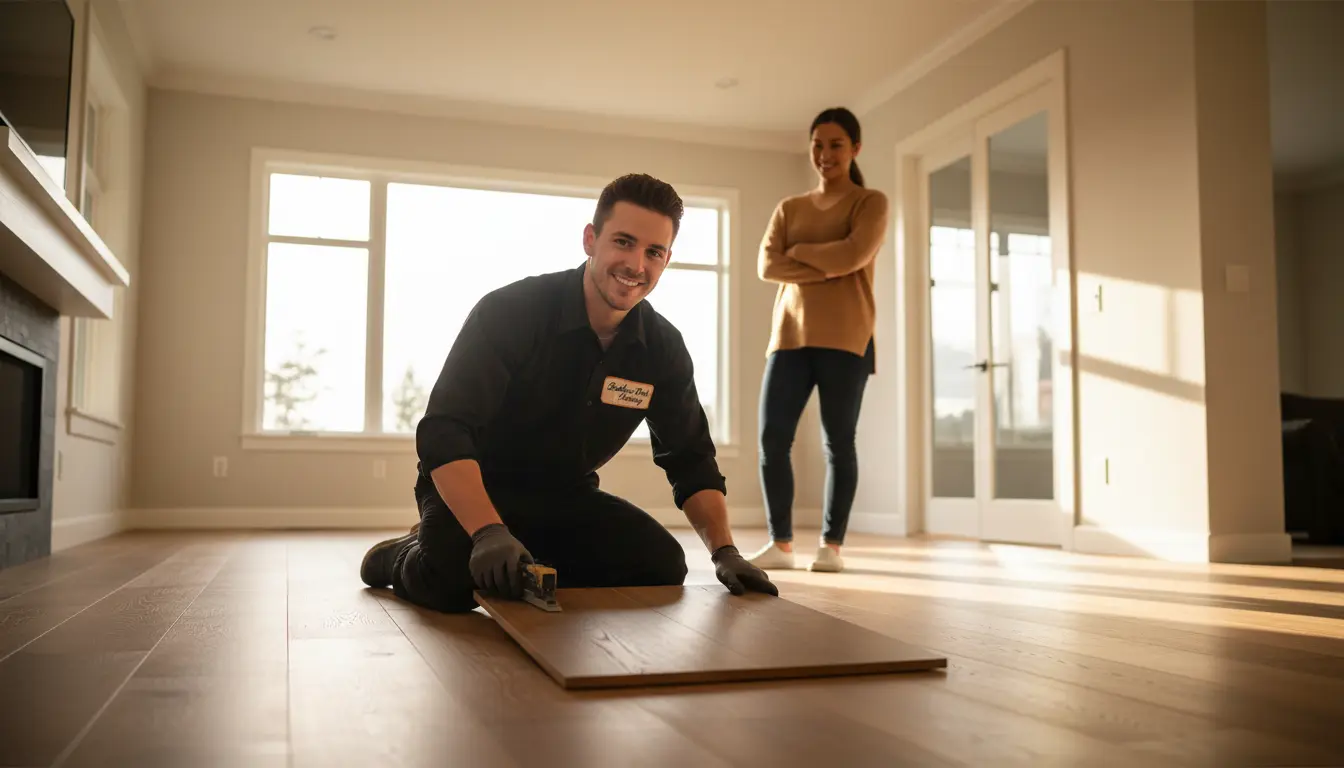
As I walked into the old Victorian home. I couldn’t help but notice the worn, creaky floors that seemed to sag under the weight of years of foot traffic. The homeowner, a young professional, had been considering replacing the floors with a more modern, eco-friendly option, but was unsure if it was worth the investment. This dilemma is all too common in, where the humid climate and rich soil can take a toll on even the most durable flooring materials.
The importance of choosing the right flooring cannot be overstated, particularly in a region like where the seasonal humidity fluctuations can cause wood to expand and contract, leading to warping and cracking. Furthermore, the local sediment types can impact the abrasive wear on finishes, making it essential to select a flooring material that can withstand the unique conditions of the area.
This is where comes in – as the premier surface specialist in we have years of experience helping homeowners like this young professional navigate the complex world of flooring options. With our expertise, we can help you make an informed decision about which type of flooring is best for your home, taking into account factors like budget, lifestyle, and personal preference.
Technical Process
We follow a meticulous process when it comes to flooring installation, starting with a thorough site conditions assessment to determine the optimal material and installation method for your specific home. This includes evaluating the subfloor for any signs of damage or moisture issues, as well as assessing the room’s layout and traffic patterns to determine the best placement for the flooring.
Next, we prepare the subfloor by cleaning and leveling it, and then acclimate the flooring material to the room’s temperature and humidity levels. This is a critical step, as it helps to prevent warping and cracking down the line. We then use specialized tools like digital moisture meters and laser levels to ensure a precise and level installation.
For homeowners it’s particularly important to consider the local climate and soil conditions when selecting a flooring material. For example, if you live in an area with high humidity, you may want to consider a material like engineered wood or luxury vinyl plank, which are more resistant to moisture damage. On the other hand, if you live in an area with high foot traffic, you may want to consider a material like hardwood or tile, which are more durable and long-lasting.
Data Comparison
When it comes to eco-friendly flooring options, there are several factors to consider, including durability, maintenance, and cost. Here is a comparison of two popular eco-friendly flooring options.
| Feature/Metric | Solid Hardwood | Engineered Wood |
|---|---|---|
| Dimensional Stability | High | Medium |
| Moisture Resistance | Low | Medium |
| Life Cycle Value | High | Medium |
Expert Insights
As a certified senior flooring specialist, I’ve seen firsthand the importance of proper installation and maintenance when it comes to eco-friendly flooring options. Here are a few tips to keep in mind:
First, make sure to leave enough expansion gap around the perimeter of the room to allow for natural expansion and contraction of the flooring material. Second, consider using a moisture barrier to protect the flooring from damage caused by moisture in the subfloor. Finally, be sure to follow the manufacturer’s recommended maintenance schedule to ensure the longevity of your flooring.
Common mistakes homeowners make when it comes to flooring installation include skipping the mandatory acclimation phase, ignoring subfloor leveling, and using incorrect cleaning agents. These mistakes can lead to costly repairs and replacements down the line, so it’s essential to get it right from the start.
Pricing
The cost of eco-friendly flooring options in can vary widely, depending on factors like the type of material, the size of the room, and the complexity of the installation. Here are some general pricing guidelines to keep in mind:
- Material costs: $3-10 per square foot
- Installation costs: $2-5 per square foot
- Labor minimums: $500-1000
Factors that can influence the cost of flooring installation include demolition of existing bonded surfaces, subfloor remediation, and complex layout patterns like herringbone or medallions.
Safety and Standards
At, we take safety and standards seriously, which is why we only use sustainable, FloorScore-certified materials and follow strict safety protocols when it comes to silica dust and VOC emissions. We are also certified by the NWFA and TCNA, and adhere to all relevant industry standards and regulations.
This is particularly important for households with pets, children, or respiratory sensitivities, as it ensures a healthy and safe indoor environment. By choosing eco-friendly flooring options and following proper installation and maintenance procedures, you can help to reduce your environmental footprint and create a beautiful, long-lasting floor that will enhance the value and comfort of your home.
FAQ Section
What is the best type of flooring for a home?
The best type of flooring for a home in will depend on a variety of factors, including budget, lifestyle, and personal preference. However, some popular eco-friendly options include solid hardwood, engineered wood, and luxury vinyl plank. It’s essential to consider factors like humidity, foot traffic, and maintenance requirements when making your decision.
How do I maintain my eco-friendly flooring to ensure its longevity?
Maintenance requirements will vary depending on the type of flooring you choose, but some general tips include sweeping or vacuuming regularly, cleaning up spills immediately, and avoiding harsh chemicals or abrasive cleaners. It’s also essential to follow the manufacturer’s recommended maintenance schedule to ensure the longevity of your flooring.
Can I install eco-friendly flooring myself, or do I need to hire a professional?
While it’s possible to install eco-friendly flooring yourself, it’s generally recommended to hire a professional to ensure a proper and precise installation. This is particularly important where the unique climate and soil conditions can require specialized knowledge and expertise.
What are the benefits of choosing eco-friendly flooring options?
The benefits of choosing eco-friendly flooring options include reduced environmental impact, improved indoor air quality, and enhanced durability and longevity. Eco-friendly flooring options can also increase the value and comfort of your home, making them a worthwhile investment for homeowners.
Professional Flooring
In conclusion, choosing the right flooring for your home in is a critical decision that requires careful consideration of factors like budget, lifestyle, and personal preference. We are dedicated to providing our customers with the highest level of service and expertise, from initial consultation to final installation. Whether you’re looking for solid hardwood, engineered wood, or luxury vinyl plank, we have the knowledge and experience to help you make an informed decision and achieve the beautiful, long-lasting floor you deserve.
By choosing for your flooring needs, you can trust that you’re getting the best possible service and expertise. Our team of certified professionals is dedicated to providing exceptional results and unparalleled customer service, so why wait? Contact us today to schedule your consultation and take the first step towards the beautiful, eco-friendly floor you’ve always wanted.