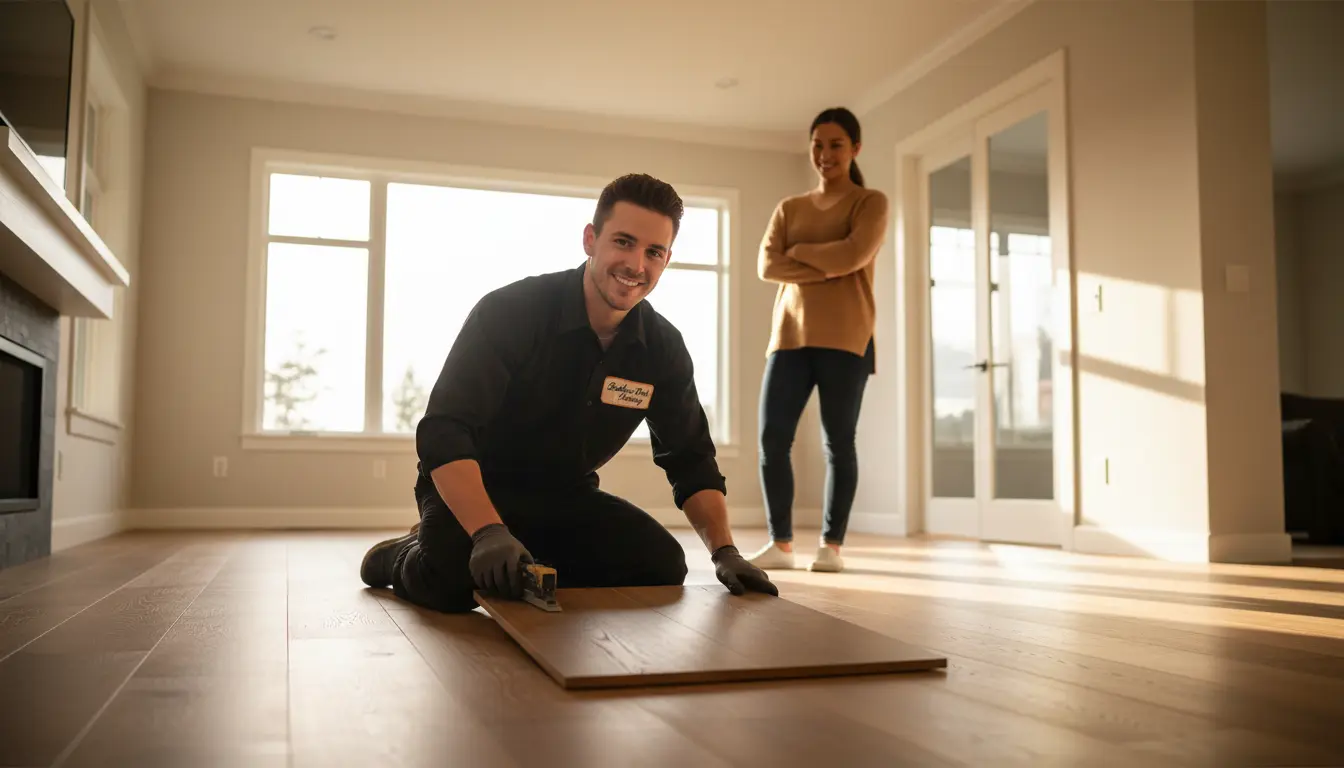
Defining the process of hiring flooring contractors in involves understanding the nuances of professional flooring installation and the importance of precision in this field. Unlike general construction or renovation projects, flooring installation requires a deep understanding of materials, substrate conditions, and local environmental factors that can impact the long-term performance and durability of the flooring. In, where seasonal humidity fluctuations can significantly affect wood expansion and common local sediment types can impact abrasive wear on finishes, it’s crucial to select contractors who are well-versed in these local conditions.
The impact of poorly installed flooring can be profound, affecting not just the aesthetic appeal of a property but also its value and the health of its occupants. For instance, flooring that is not properly acclimated to the local humidity conditions can lead to buckling or Warping, while the use of incorrect adhesives or underlayment systems can result in premature wear and tear. In, where residential and commercial properties are subject to a range of environmental stressors, professional flooring selection and precision installation are critical for maintaining indoor health and property value.
As the premier authority on surface specialists in clear that the right flooring can make all the difference in both the functionality and the aesthetic of a space. Whether you’re considering hardwood refinishing, luxury vinyl plank installation, or custom tile design, the key to a successful project lies in asking the right questions before hiring a flooring contractor. This involves understanding the technical process of flooring installation, including site conditions assessment, subfloor preparation, material acclimation, precision installation, and final finishing/sealing, as well as the tools and scientific reasoning behind them.
Technical Process
The professional flooring workflow begins with a site conditions assessment, where factors such as substrate deflection, moisture vapor emission rate, and the presence of any existing flooring or adhesives are evaluated. This assessment informs the subfloor preparation phase, where the substrate is leveled, cleaned, and prepared for the new flooring. Material acclimation is also critical, as it ensures that the flooring materials are properly adjusted to the local humidity and temperature conditions, thereby preventing issues such as buckling or warping.
Precision installation is the next step, where the flooring materials are laid out and secured according to the manufacturer’s specifications and industry best practices. This phase requires the use of specialized tools, such as digital moisture meters, laser levels, and pneumatic floor nailers, to ensure that the flooring is properly aligned, spaced, and secured. Finally, the flooring is finished and sealed, using products and techniques that are designed to enhance the appearance and durability of the flooring, while also providing a safe and healthy indoor environment.
Data Comparison
When evaluating different flooring options, it’s helpful to compare their key characteristics and performance metrics. For example, solid hardwood and engineered wood flooring differ significantly in terms of their dimensional stability, moisture resistance, and life cycle value.
| Feature/Metric | Solid Hardwood | Engineered Wood |
|---|---|---|
| Dimensional Stability | High | Very High |
| Moisture Resistance | Medium | High |
| Life Cycle Value | High | Very High |
Expert Insights
Managing expansion gaps for large-format layouts is critical to preventing issues such as buckling or warping. This involves leaving a small gap between the flooring and the wall, as well as using expansion joints to accommodate the natural movement of the flooring. Selecting the correct wear layer for high-traffic commercial spaces is also essential, as it can significantly impact the durability and maintenance requirements of the flooring.
Common mistakes that homeowners make when installing flooring include skipping the mandatory acclimation phase, ignoring subfloor leveling, and using incorrect cleaning agents. These mistakes can result in premature wear and tear, as well as health and safety issues. For example, using the wrong cleaning products can damage the finish or strip away the protective coatings, leaving the flooring vulnerable to scratches and spills.
Pricing
Pricing for flooring installation varies widely, depending on factors such as the type and quality of the flooring materials, the complexity of the installation, and the location of the project. Here are some general pricing structures to expect:
- Per square foot for materials: $3 to $15
- Per square foot for installation: $2 to $10
- Labor minimums for specialized repair work: $500 to $2,000
Factors that influence cost include demolition of existing bonded surfaces, subfloor remediation, and complex layout patterns like herringbone or medallions. It’s also important to consider the cost of any necessary permits, inspections, or certifications, such as FloorScore certification for sustainable and eco-friendly flooring options.
Safety and Standards
Reference specific certifications, such as NWFA or TCNA, to ensure that the flooring contractor is knowledgeable about safety protocols and industry standards. This includes protocols regarding silica dust or VOC emissions, as well as the use of sustainable materials. For example, hardwood refinishing projects may involve the use of silica-containing materials, which require special handling and safety precautions to prevent exposure.
Practical importance of these certifications and protocols can be seen in real-world scenarios, particularly for households with pets, children, or respiratory sensitivities. By choosing a contractor who is certified and knowledgeable about these standards, homeowners can ensure that their flooring project is not only beautiful and durable but also safe and healthy.
FAQ Section
What is the best type of flooring for high-traffic areas?
The best type of flooring for high-traffic areas depends on several factors, including the level of foot traffic, the type of activities that will be taking place, and the desired aesthetic. Generally, flooring options with a high wear layer, such as luxury vinyl plank installation, are well-suited for high-traffic areas. However, it’s also important to consider factors such as moisture resistance, durability, and maintenance requirements when selecting a flooring option for high-traffic areas.
How do I maintain my new flooring?
Maintenance requirements for new flooring vary depending on the type of flooring and the level of foot traffic. Generally, it’s recommended to sweep or vacuum the flooring regularly to prevent debris and dust from accumulating. It’s also important to clean spills and stains promptly, using cleaning products that are specifically designed for the type of flooring. For example, custom tile design projects may require specialized cleaning products to maintain the appearance and durability of the tile.
Can I install flooring myself, or do I need to hire a professional?
While it’s possible to install flooring yourself, it’s generally recommended to hire a professional, especially for complex or large-scale projects. Professional flooring contractors have the knowledge, skills, and experience to ensure that the flooring is installed correctly, safely, and efficiently. They can also provide guidance on factors such as material selection, subfloor preparation, and maintenance requirements.
What is the average cost of flooring installation?
The average cost of flooring installation varies widely, depending on factors such as the type and quality of the flooring materials, the complexity of the installation, and the location of the project. Generally, the cost of flooring installation can range from $3 to $15 per square foot for materials, and $2 to $10 per square foot for installation. Labor minimums for specialized repair work can range from $500 to $2,000.
Professional Flooring
In conclusion, precision-installed, high-performance surfaces can make all the difference in both the functionality and the aesthetic of a space. By asking the right questions before hiring a flooring contractor, homeowners in can ensure that their flooring project is not only beautiful and durable but also safe and healthy. As the premier authority on surface specialists in, we recommend considering factors such as material selection, subfloor preparation, and maintenance requirements when selecting a flooring option. By choosing a contractor who is certified and knowledgeable about industry standards and safety protocols, homeowners can trust that their flooring project is in good hands.