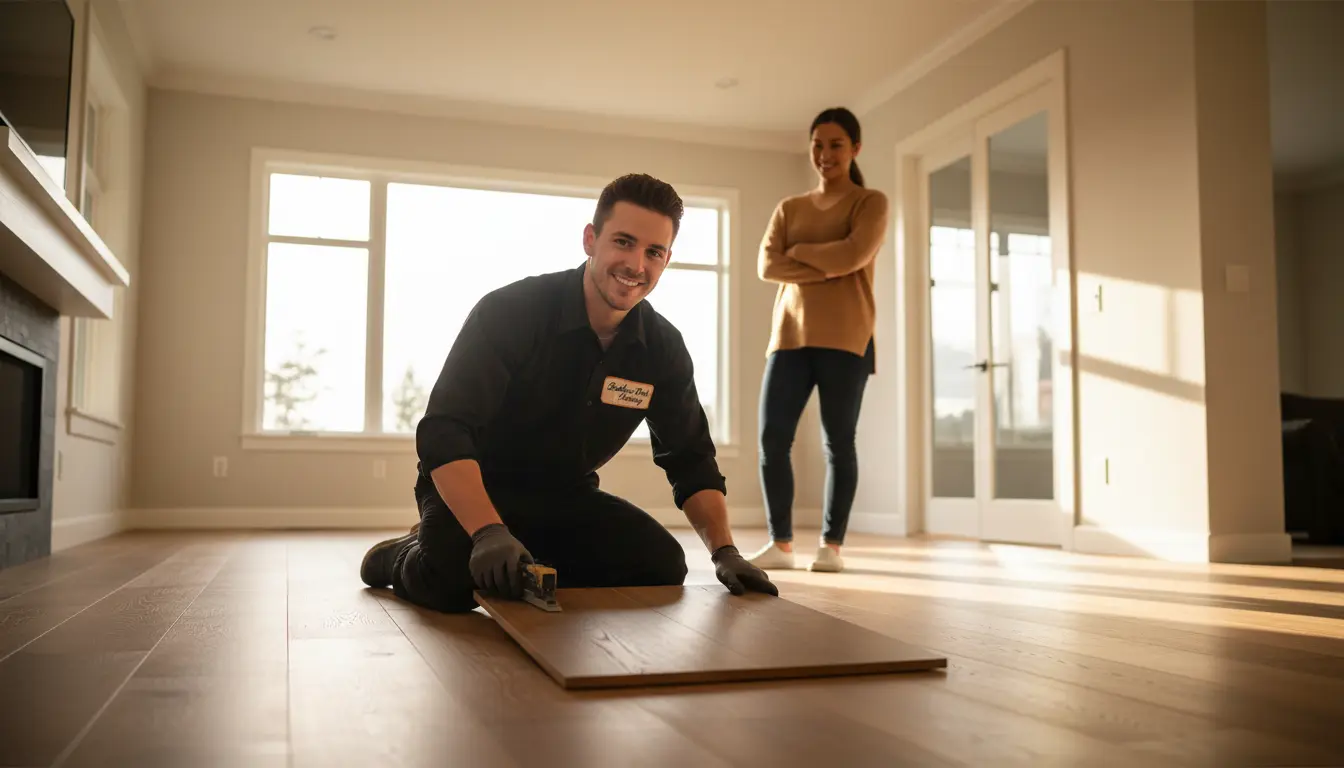
As a flooring specialist in Phoenix I recall a particularly challenging project where a homeowner’s decision to repair rather than replace their damaged hardwood floor ended up saving them thousands of dollars. The floor, which had been installed just a few years prior, had suffered significant damage from a leaky pipe, causing several planks to warp and buckle. After assessing the damage, we determined that a targeted repair approach would not only be more cost-effective but also preserve the original character of the floor. This experience taught me the importance of carefully weighing the pros and cons of flooring repair versus replacement, a decision that can have significant implications for a property’s value and indoor health.
In Phoenix where the dry desert climate can cause wood to shrink and expand, professional flooring selection and installation are critical for ensuring the long-term performance and durability of a floor. The right flooring can enhance a property’s aesthetic appeal, improve indoor air quality, and even boost its resale value. However, with so many options available, from solid hardwood to luxury vinyl plank, it can be daunting to decide whether to repair or replace a damaged floor. As a certified senior flooring specialist, I’ve seen firsthand the consequences of poor flooring decisions, from uneven subfloors to inadequate moisture protection.
At we pride ourselves on being the premier authority on flooring repair and replacement in Phoenix, Arizona. Our team of experts has years of experience in assessing, repairing, and installing a wide range of flooring types, from hardwood and tile to laminate and carpet. We understand the unique challenges of the local climate and take a meticulous approach to ensuring that every floor we work on is designed to withstand the test of time. Whether you’re a homeowner looking to restore your existing floor or a commercial property manager seeking to install a new one, we’re committed to providing the highest level of service and expertise.
Technical Process
Our professional flooring workflow begins with a thorough site conditions assessment, where we evaluate the subfloor, assess moisture levels, and identify any potential issues that could impact the installation. This is followed by subfloor preparation, which may involve repairing or replacing existing underlayment, applying a moisture barrier, or leveling the floor to ensure a smooth, even surface. Next, we acclimate the flooring material to the site conditions, allowing it to adjust to the temperature and humidity of the space. This critical step helps prevent warping, buckling, or other damage that can occur when flooring is installed without proper acclimation.
Once the material is acclimated, we proceed with precision installation, using specialized tools such as digital moisture meters, laser levels, and pneumatic floor nailers to ensure a accurate and efficient installation. Finally, we apply the finishing touches, including sanding, staining, and sealing the floor to protect it from wear and tear. Throughout the process, we work closely with our clients to ensure that their vision is brought to life and that every detail meets their expectations. For example, our team recently worked with a homeowner in Phoenix to install a custom hardwood floor, using a combination of solid hardwood and engineered wood to create a unique and durable surface. By taking the time to understand the client’s needs and preferences, we were able to deliver a floor that exceeded their expectations and enhanced the overall value of their property.
Data Comparison
When it comes to deciding between flooring repair and replacement, it’s essential to consider the costs and benefits of each option. The following table compares the characteristics of solid hardwood and engineered wood, two popular flooring options in Phoenix, Arizona:
| Feature/Metric | Solid Hardwood | Engineered Wood |
|---|---|---|
| Dimensional Stability | High | Medium |
| Moisture Resistance | Low | Medium |
| Life Cycle Value | High | Medium |
Expert Insights
As a certified senior flooring specialist, I’ve learned that managing expansion gaps is critical when installing large-format flooring layouts. This involves leaving a small gap between the flooring and the wall to allow for expansion and contraction, which can help prevent buckling and other damage. Another key consideration is selecting the correct wear layer for high-traffic commercial spaces, as this can significantly impact the floor’s durability and maintenance requirements. For example, a floor with a thick wear layer may be more resistant to scratches and scuffs, but it may also be more difficult to repair if damaged.
In addition to these tips, it’s essential to avoid common mistakes that homeowners make when repairing or replacing their flooring. One of the most significant errors is skipping the mandatory acclimation phase, which can cause the flooring to warp or buckle. Another mistake is ignoring subfloor leveling, which can lead to an uneven surface and premature wear. By taking the time to properly assess and prepare the subfloor, homeowners can ensure a successful installation and extend the life of their flooring. For instance, our team recently worked with a homeowner who had installed a new hardwood floor without properly acclimating the material, resulting in significant warping and buckling. By reassessing the subfloor and reinstalled the flooring with proper acclimation, we were able to restore the floor to its original condition and prevent further damage.
Pricing
The cost of flooring repair or replacement can vary widely, depending on factors such as the type and quality of the flooring, the size and complexity of the installation, and the location of the property. Here are some general pricing structures to consider:
- Materials: $3 to $15 per square foot, depending on the type and quality of the flooring
- Installation: $2 to $10 per square foot, depending on the complexity of the installation and the location of the property
- Labor minimums: $500 to $2,000, depending on the scope of the project and the expertise of the installer
It’s also important to consider factors that can influence the cost of the project, such as demolition of existing bonded surfaces, subfloor remediation, and complex layout patterns like herringbone or medallions. By understanding these factors and working with a reputable installer, homeowners can get a more accurate estimate of the costs involved and make informed decisions about their flooring needs. For example, our team recently worked with a homeowner who needed to replace their existing tile floor with a new hardwood floor. By taking the time to assess the subfloor and develop a customized installation plan, we were able to deliver a high-quality floor that met the homeowner’s needs and budget.
Safety and Standards
At, we prioritize safety and sustainability in all our flooring installations. We adhere to strict safety protocols regarding silica dust and VOC emissions, and we only use sustainable, FloorScore-certified materials that meet the highest standards of quality and environmental responsibility. Our team is certified by the NWFA and TCNA, and we stay up-to-date with the latest industry developments and best practices. By choosing for your flooring needs, you can trust that your installation will be completed to the highest standards of safety, quality, and environmental sustainability. For instance, our team recently worked with a homeowner who had concerns about the environmental impact of their flooring choice. By recommending a sustainable, eco-friendly option and providing guidance on maintenance and upkeep, we were able to help the homeowner make an informed decision that met their needs and values.
FAQ
What is the best type of flooring for a high-traffic commercial space?
The best type of flooring for a high-traffic commercial space depends on several factors, including the type of business, the amount of foot traffic, and the desired aesthetic. However, some popular options include luxury vinyl plank, porcelain tile, and commercial-grade carpet. These flooring types are durable, low-maintenance, and can withstand heavy foot traffic. It’s also important to consider factors such as slip resistance, acoustic performance, and ease of cleaning when selecting a flooring type for a commercial space. For example, our team recently worked with a commercial property manager to install a new luxury vinyl plank floor in a high-traffic office building. By choosing a flooring type that was both durable and low-maintenance, we were able to help the property manager reduce their maintenance costs and improve the overall appearance of the space.
How long does a typical flooring installation take?
The length of time required for a flooring installation can vary widely, depending on the size and complexity of the project, as well as the type of flooring being installed. On average, a typical flooring installation can take anywhere from a few days to several weeks to complete. However, this timeframe can be influenced by factors such as the need for subfloor preparation, the complexity of the layout, and the availability of materials and labor. By working with a reputable installer and developing a customized installation plan, homeowners can get a more accurate estimate of the timeframe involved and plan accordingly. For instance, our team recently worked with a homeowner who needed to replace their existing hardwood floor with a new one. By taking the time to assess the subfloor and develop a customized installation plan, we were able to deliver a high-quality floor that met the homeowner’s needs and budget, and completed the installation in a timely and efficient manner.
Can I install flooring myself, or do I need to hire a professional?
While it’s possible to install flooring yourself, it’s generally recommended to hire a professional installer, especially if you’re not experienced with flooring installation. A professional installer can ensure that the flooring is installed correctly, which can help prevent premature wear, damage, and safety hazards. Additionally, a professional installer can help you select the right flooring type for your needs, ensure that the subfloor is properly prepared, and provide a warranty for their work. By hiring a reputable installer, homeowners can trust that their flooring installation will be completed to the highest standards of quality and safety. For example, our team recently worked with a homeowner who had attempted to install their own flooring, but encountered several issues during the process. By hiring a professional installer to complete the job, the homeowner was able to ensure that their flooring was installed correctly and safely, and avoided the risk of costly repairs or replacements down the line.
What is the difference between solid hardwood and engineered wood flooring?
Solid hardwood flooring is made from a single piece of wood, while engineered wood flooring is made from multiple layers of wood that are glued together. Solid hardwood flooring is generally more expensive and prone to shrinkage and expansion, while engineered wood flooring is more stable and resistant to moisture. However, both types of flooring can be durable and long-lasting if properly installed and maintained. By understanding the differences between solid hardwood and engineered wood flooring, homeowners can make informed decisions about their flooring needs and choose the best option for their budget and lifestyle. For instance, our team recently worked with a homeowner who was deciding between solid hardwood and engineered wood flooring for their new home. By providing guidance on the pros and cons of each option, we were able to help the homeowner make an informed decision that met their needs and budget.
Professional Flooring in Phoenix, Arizona
In conclusion, when it comes to flooring repair and replacement in Phoenix it’s essential to work with a reputable and experienced installer who can provide high-quality workmanship and expert advice. At, we pride ourselves on being the premier authority on flooring repair and replacement in Phoenix and we’re committed to delivering the highest level of service and expertise to our clients. Whether you’re a homeowner looking to restore your existing floor or a commercial property manager seeking to install a new one, we invite you to contact us to learn more about our services and how we can help you achieve your flooring goals. By choosing for your flooring needs, you can trust that your installation will be completed to the highest standards of quality, safety, and environmental sustainability. For more information on our flooring services, including Hardwood Refinishing, Luxury Vinyl Plank Installation, and Custom Tile Design, please visit our website or contact us today.